
ESSAY
↗At the Crossroads of Reason, Pick Up Your Cross
The moment you realize Christianity was never merely one explanation among many, but the foundation that made explanation possible in the first place.
Essays on faith, reason, and the things that make us human.
The moment you realize Christianity was never merely one explanation among many, but the foundation that made explanation possible in the first place.

What if the ending of The Sopranos isn’t simply about Tony Soprano’s death, but about something far more consequential: the death of his faith?

An argument for the Messianic identity of Isaiah 53, drawn not from the New Testament, but from Isaiah himself.

Why the modern objection to the Resurrection often reveals more about the skeptic’s assumptions than the historical event itself.

On creation, redemption, and the remarkable symmetry between Genesis and the history of Christianity.

There is something striking about history.
AI Is Not Threatening Human Dignity. It Is Exposing Our Definition of It. The debate over artificial intelligence and art is usually presented as…

Before humanity could believe in God, disbelieve in God, or invent God, something remarkable had to happen: the question of God had to arise.
 ↗
English became a global linguistic meeting point. What does that historical fact mean within the Christian understanding of divine providence?

Why the historicity of Scripture cannot be separated from the question of who Jesus Christ is.
The expectation of extraterrestrial life is often presented as a matter of probability. But probability only means something once we have established what is possible.
 ↗

There is very little value in being difficult simply for the sake of being difficult. That sounds obvious, but in practice people often treat…

A worldview is not falsified because it is unpopular, emotionally unsatisfying, or incapable of answering every imaginable question.

There is a strange problem at the center of modern thought.

Modernity has quietly changed what we mean when we speak of beauty. Today, beauty is often reduced to something intensely personal: whatever I find…
On revelation, inspiration, and why the investigation should begin with reality.

One of the most popular claims about the Gospel of Thomas is that it represents a hidden, suppressed version of Christianity.

One of the simplest questions in Christianity is strangely one of the most difficult to answer outside of Orthodoxy:

On liberalism, classical theism, and the difference between interpreting reality and making reality intelligible.
 ↗

One of the more amusing internet phenomena is watching people use the word orthobro as though it describes a coherent category. The problem is…

On forgiveness, repentance, and why we are called to carry forgiveness rather than guilt.

On the immaterial, the Fall, and why the spiritual world is not so difficult to believe in
 ↗
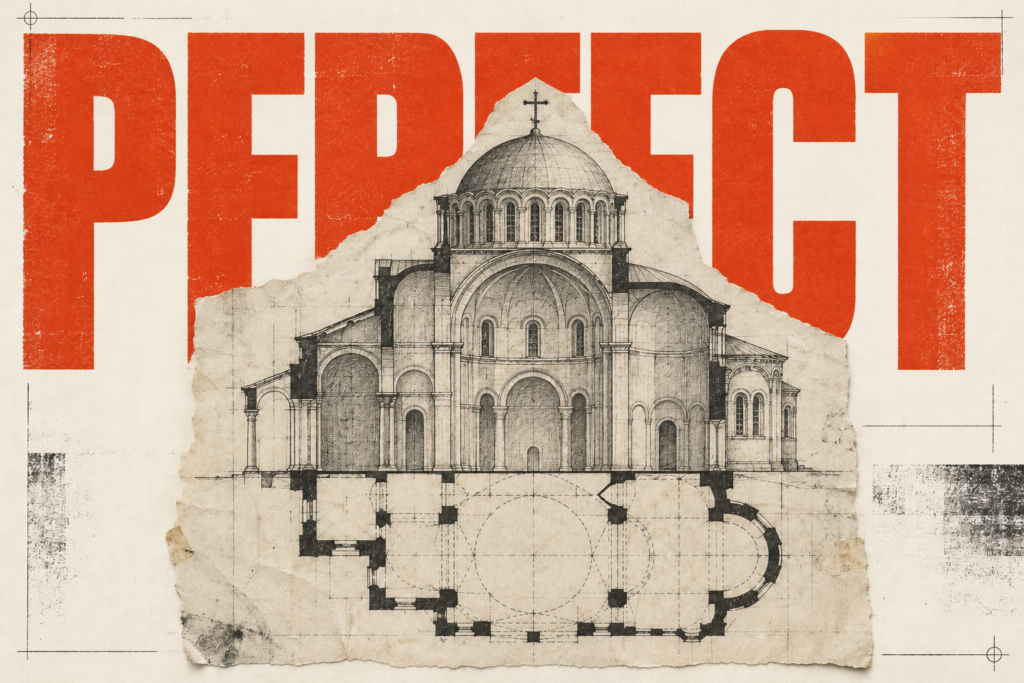
On the Divine Liturgy, Scripture, apostolic authority, and a system so complete that even understanding it leads you into it.
On Scripture, private understanding, apostolic authority, and the remarkable coherence of the Church's design.

Why the historical reality of Jesus makes the coherence of biblical prophecy difficult to dismiss.
On the Septuagint, the Apostolic Church, and the question of who inherited the Scriptures.
On Christ’s divine identity, the Greek New Testament, and the providential continuity of the Church.
 ↗

The Book of Job is usually described as a story about suffering.
 ↗
On the Transcendental Argument, objective truth, and the Orthodox understanding of reality.

On God's providence, the illusion of coincidence, and why love cannot be the foundation of marriage.

How secularism mistakes its own convictions for neutrality, and how even Christianity’s fiercest defenders can miss the very authority they claim to defend.

An unseen intelligence created our world. Why does giving it a computer supposedly make that more reasonable?

How Star Wars accidentally reveals the moral contradictions of modernity.
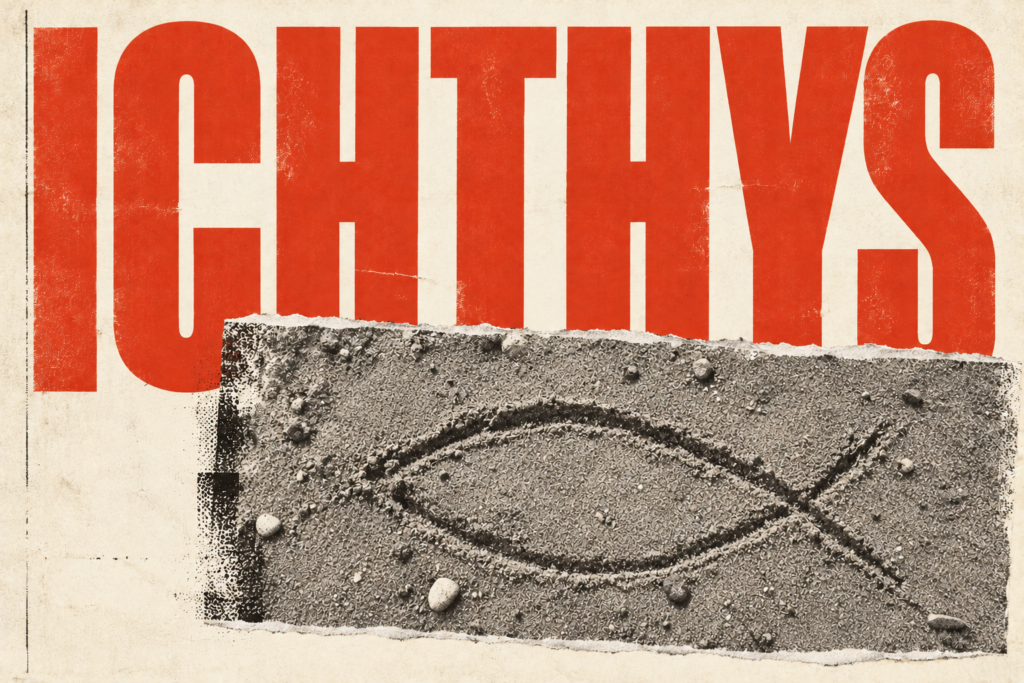
From the Ichthys Wheel of Ephesus to the modern Jesus fish: how an ancient confession retained its meaning while losing the circumstances that made it extraordinary.

When truth becomes a matter of personal preference, trust becomes a performance. The crisis of modern culture is not merely social or political. It is theological.
Language does not give meaning to the Word of God. The Word of God gives meaning to language.
Why failing to live up to a moral standard is not the same as pretending to have one.